Chairman & CEO, Broidy Capital Holdings
Law enforcement agencies are being asked to do more with less. Elliott Broidy, Chairman and CEO of Broidy Capital Holdings, explains why AI has become the single most powerful tool available to extend the reach of the people who keep communities safe.
Key Takeaways
- AI has become one of the most powerful force multipliers available to public safety agencies facing workforce and budget pressures.
- Advanced analytics and machine learning allow agencies to turn overwhelming amounts of information into actionable intelligence.
- Effective AI systems help personnel make faster, better-informed decisions rather than replace human judgment.
- The agencies that successfully deploy AI will gain meaningful advantages in efficiency, responsiveness, and public safety outcomes.
- Many of the technologies reshaping public safety are developed first in the private sector and adopted by government later.
Law enforcement agencies across the United States are facing a compounding challenge: persistent staffing shortages and an increasingly complex threat environment. AI has become an irreplaceable tool in helping agencies do more with less.
Over the past decade, through our investments in several companies that are experts in Semantic AI, Generative AI, and Agentic AI specifically for the corrections, law enforcement, public safety, and national security sectors, we have engaged directly with agencies at the federal, state, and local levels. One reality has become increasingly clear: the gap between what technology can do and what is actually deployed in these sectors remains enormous. Closing that gap represents one of the greatest opportunities in public safety today.
The Staffing Crisis and the Technology Answer
The numbers are striking. Across the country, police departments are operating with fewer police officers as they experience increasing retirements and resignations as well as structural recruitment challenges.
Hiring remains important, but workforce challenges will not be solved through hiring alone. Budgets are constrained, timelines are long, and the demands placed on public safety organizations continue to grow.
Agencies need to increase the effectiveness of the personnel they already have. That is where AI can make a meaningful difference.
In public safety, the most valuable AI systems support the work of trained professionals. They reduce administrative burdens, surface critical information faster, and free personnel to focus on decisions that require experience and judgment.
In practical terms, that means an investigator can process information to surface actionable intelligence more quickly. A patrol officer can arrive at a scene with better situational awareness. An analyst can identify patterns across thousands of records that would otherwise remain hidden. Emergency managers can allocate resources more effectively during a crisis.
The result is straightforward: agencies can accomplish more with the personnel they already have.
A Force Multiplier for an Era of Complexity
The threats facing public safety agencies today look very different from those of previous generations. Organized criminal networks operate across jurisdictions and international borders and from within our corrections systems. Online radicalization moves at internet speed. At the same time, the volume of data available to decision-makers has exploded.
Public safety agencies have access to more information than ever before. The challenge is turning that information into actionable intelligence.
This is where AI excels.
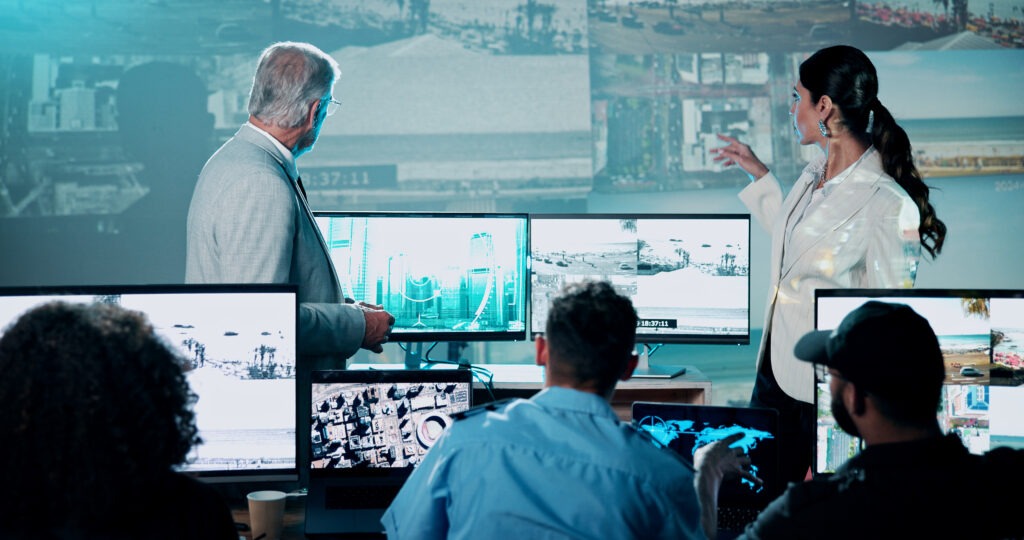
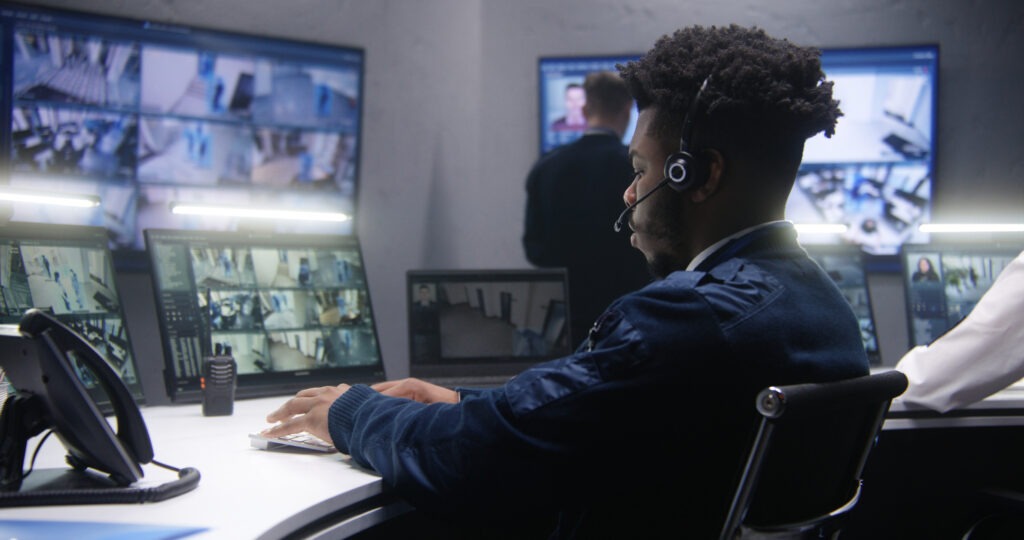
Semantic AI, Generative AI, Vision AI, Agentic AI, and machine learning tools provide advanced analytics capabilities. Together, such tools can analyze text, video, voice communications, and other data to detect patterns, flag immediate risks and anomalies, and prioritize information in ways that would be simply impossible for human operators alone. Advanced analytics platforms help agencies detect risks sooner and make better-informed and more proactive decisions. Predictive tools support smarter deployment of limited resources.
Every minute saved, every threat identified earlier, and every decision supported by better information has meaningful consequences for public safety outcomes.
Why Private Innovation Matters
Today, many of the tools reshaping public safety and national security are first built by private companies and adopted by government agencies only later.
The reason is straightforward: innovation moves faster than traditional procurement cycles.
Private capital can fund promising technologies long before government contracts are awarded. Entrepreneurs can iterate rapidly, improve products continuously, and bring capabilities to market while they remain relevant to evolving threats.
As a direct result, private innovation and public safety have become increasingly interconnected. Many of the most effective technologies protecting communities today emerged from that partnership. It is a dynamic I have seen firsthand, and one I have described previously regarding innovation in public safety technology.
The Decade Ahead
AI will not solve every challenge facing public safety organizations. Leadership, training, policy, and community engagement will remain indispensable.
AI is already helping agencies improve situational awareness, allocate resources more effectively, and respond to threats more nimbly. Its capability and utilization, needless to say, will only continue to grow.
The agencies that successfully integrate these tools will be better positioned to protect their communities in the face of myriad complex challenges.
Frequently Asked Questions about AI in Public Safety
Does AI replace police officers and public safety personnel?
No. In public safety, the most effective AI systems augment people rather than replace them. They handle administrative work, surface critical information faster, and analyze data at a scale no human team could match, allowing trained professionals to focus on the decisions that require human judgment. The goal is to make personnel more effective, not to reduce their numbers.
Why is AI described as a force multiplier for law enforcement?
Agencies are being asked to respond to more calls, in more complex environments, with fewer officers than they had a decade ago. AI extends the effectiveness of the personnel already on the job by speeding up evidence processing, improving situational awareness, and identifying patterns across massive volumes of data. As a result, agencies can accomplish significantly more with existing resources.
Why is private capital so central to public safety technology?
Innovation moves significantly faster than traditional procurement cycles. Private capital can fund promising technologies long before a government contract is awarded, allowing companies to iterate quickly and keep capabilities current with evolving threats. Many of the tools agencies rely on are built and refined in the private sector before they are adopted by government.
About the Author
Elliott Broidy is the Chairman and CEO of Broidy Capital Holdings, a family office that invests in AI-driven public safety software, homeland security, and law enforcement technology. Over a four-decade career he has founded, invested in, and in many cases led more than 160 companies, and since 2014 has focused on technology businesses across the defense intelligence, homeland security, public safety, and law enforcement sectors. For more insights, connect with Elliott Broidy on LinkedIn and follow him on X.